Chronic Illness
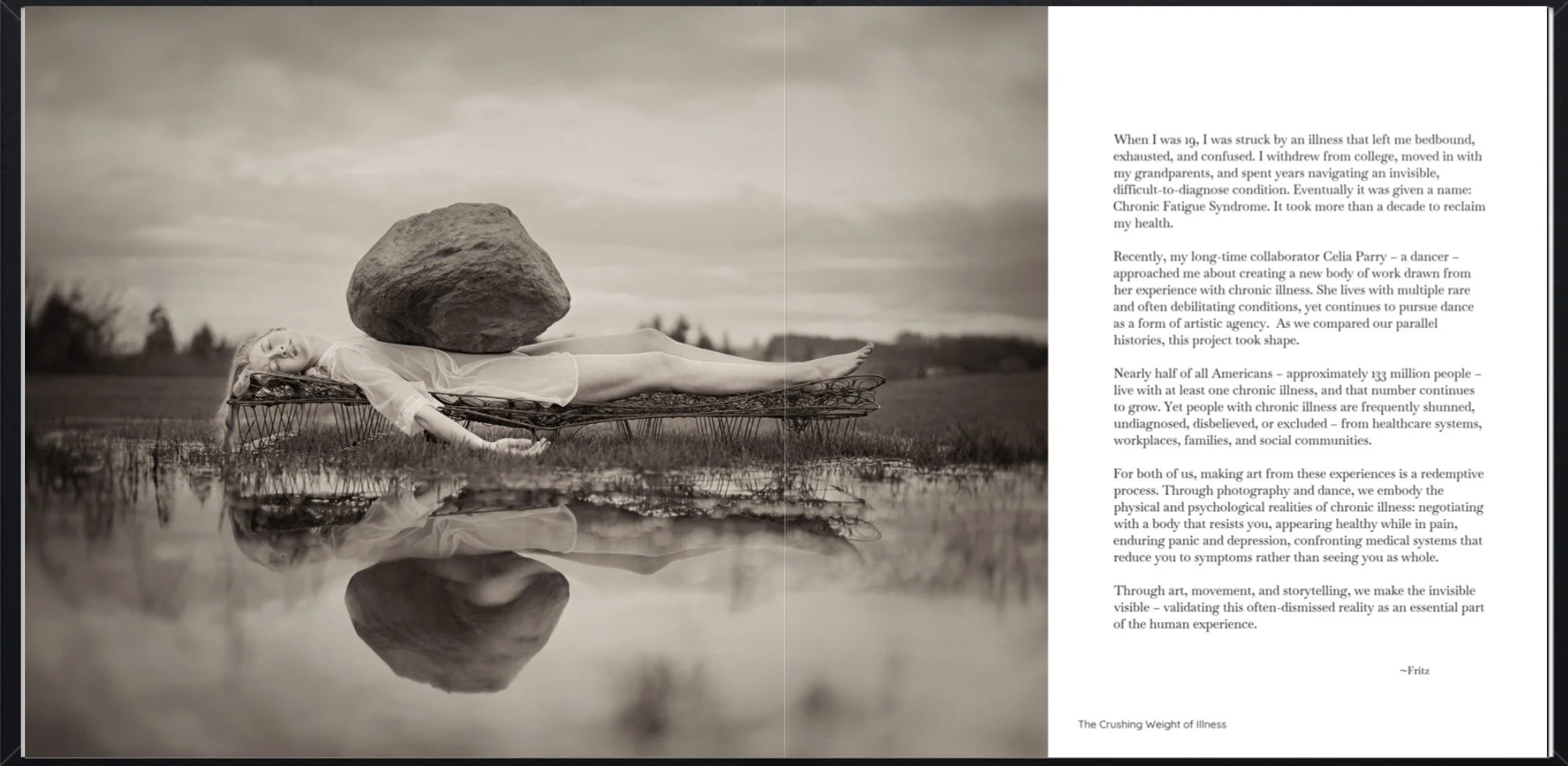
When I was 19, I was struck by an illness that left me bedbound, exhausted, and confused. I withdrew from college, moved in with my grandparents, and spent years navigating an invisible, difficult-to-diagnose condition. Eventually it was given a name: Chronic Fatigue Syndrome. It took more than a decade to reclaim my health.
Recently, my long-time collaborator Celia Parry – a dancer – approached me about creating a new body of work drawn from her experience with chronic illness. She lives with multiple rare and often debilitating conditions, yet continues to pursue dance as a form of artistic agency. As we compared our parallel histories, this project took shape.
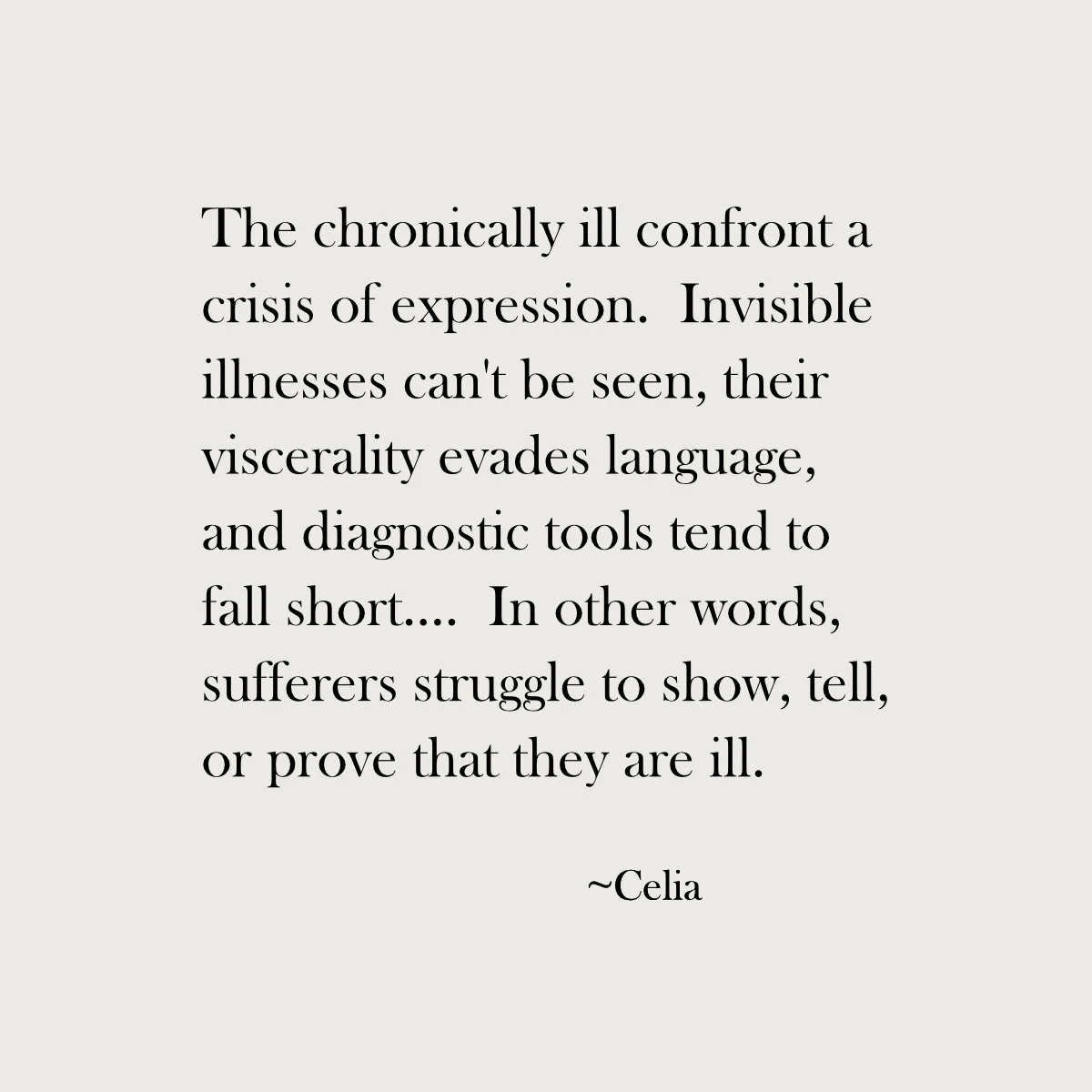
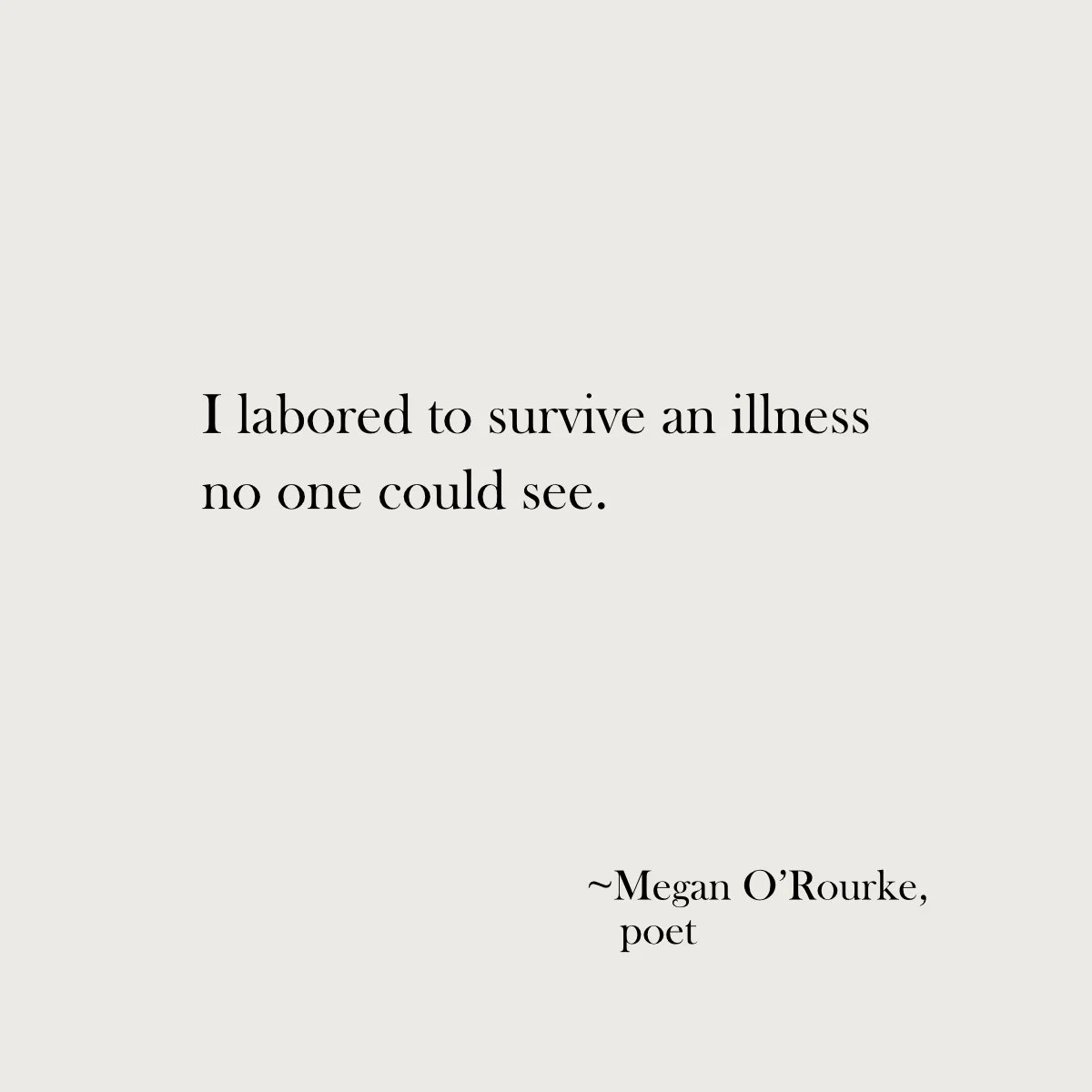
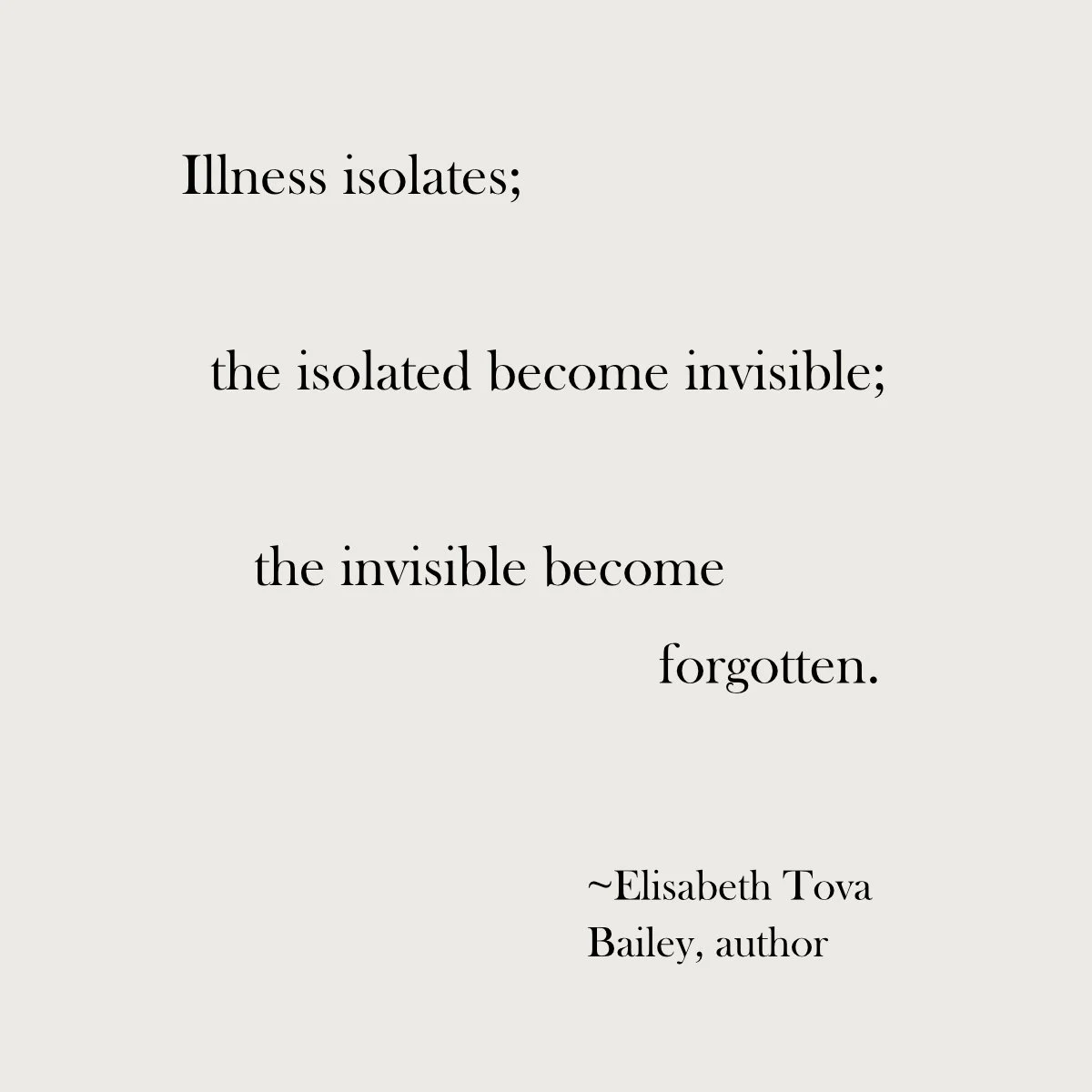
Nearly half of all Americans – approximately 133 million people – live with at least one chronic illness, and that number continues to grow. Yet people with chronic illness are frequently shunned, undiagnosed, disbelieved, or excluded – from healthcare systems, workplaces, families, and social communities.
For both of us, making art from these experiences is a redemptive process. Through photography, dance (see our choreographed dance video here), and writing, we embody the physical and psychological realities of chronic illness: negotiating with a body that resists you, appearing healthy while in pain, enduring panic and depression, confronting medical systems that reduce you to symptoms rather than seeing you as whole.
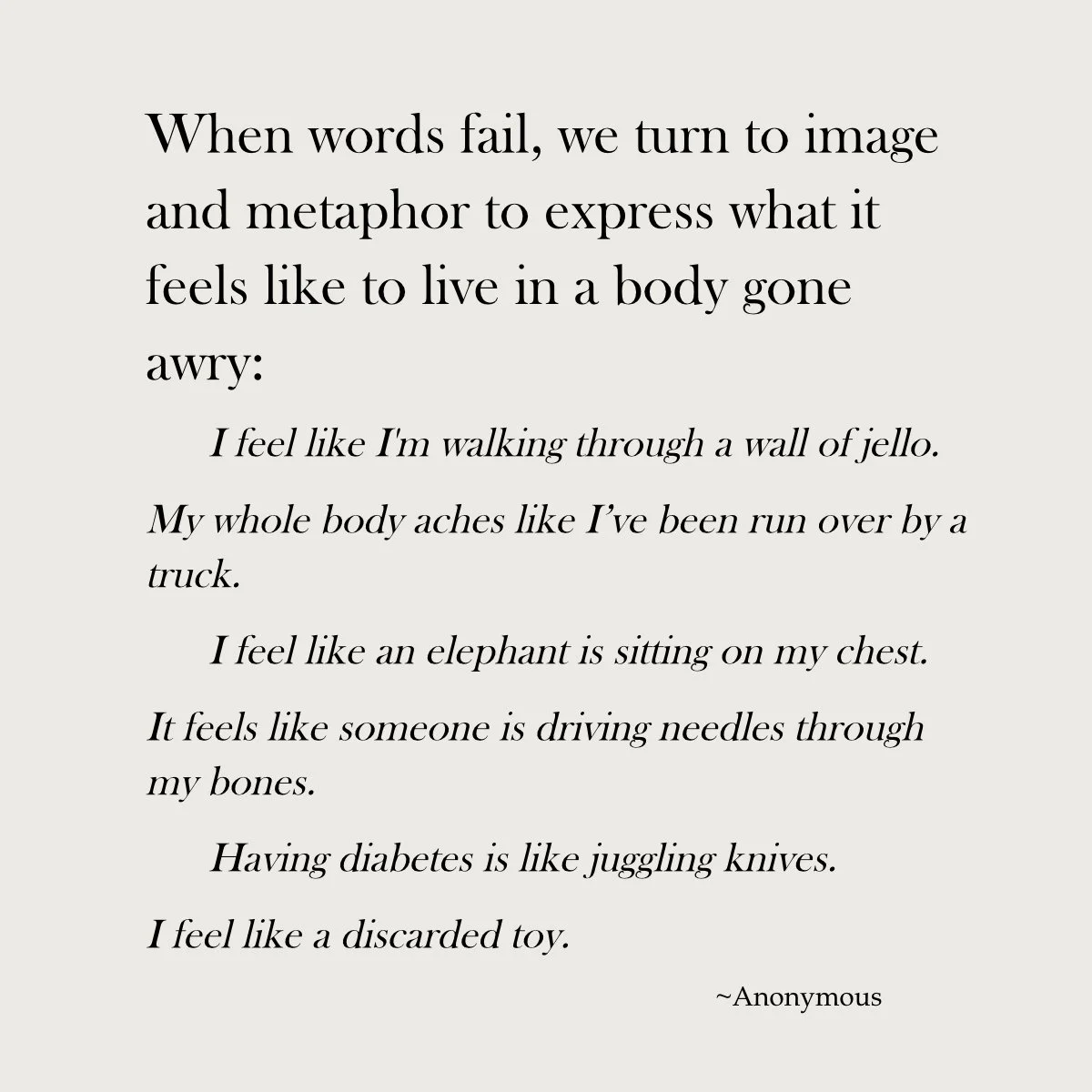
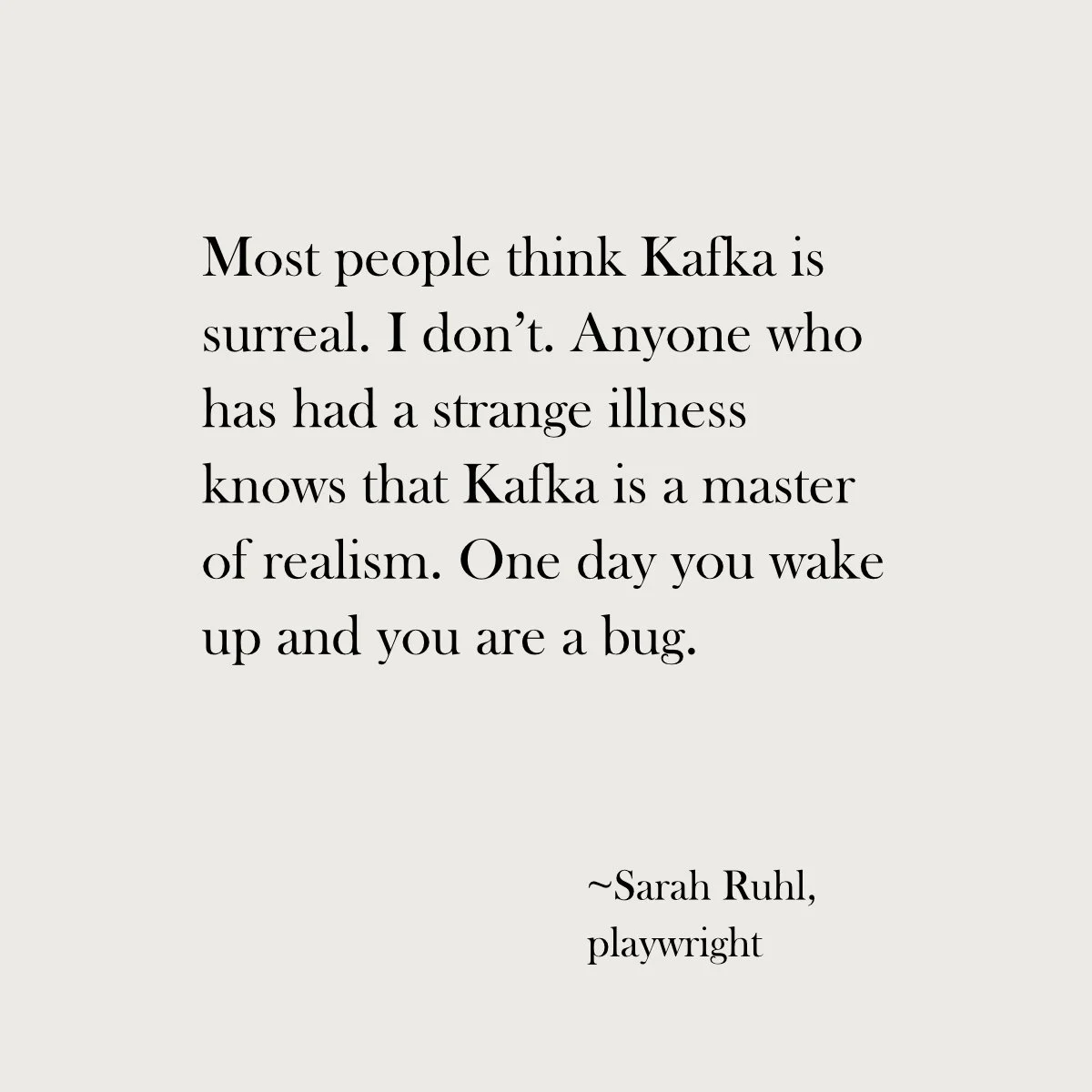
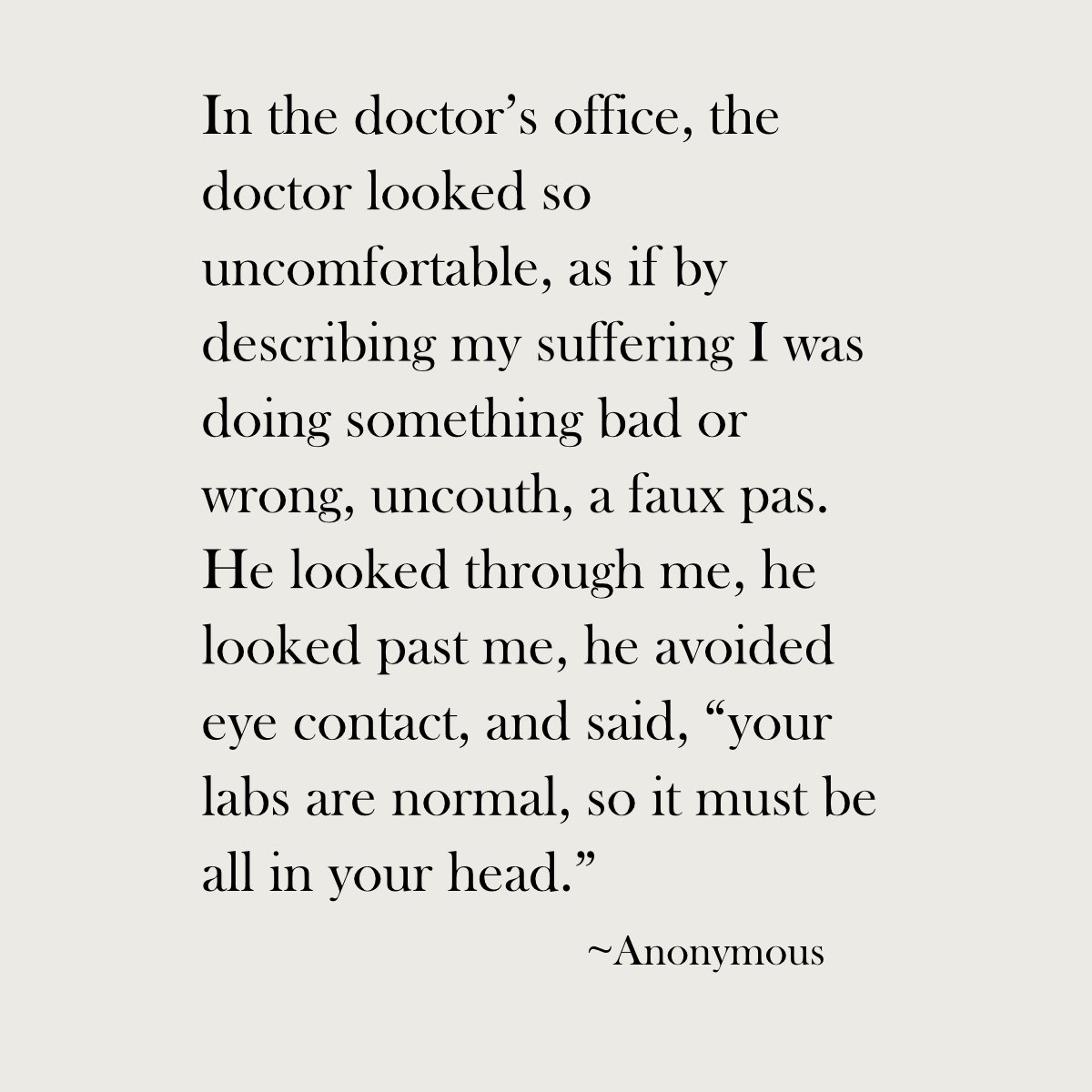
We have also included the anonymous stories of others from around the world – of all ages, ethnicities, genders, and sizes – taken from a survey we designed. In so doing, we’ve created what we hope is a body of work that tells a universal story.
Through art, movement, and storytelling, we make the invisible visible – validating the often-dismissed reality of chronic illness as an essential part of the human experience.
(Please note: these are actual photographs that we created; they are not AI generated.)
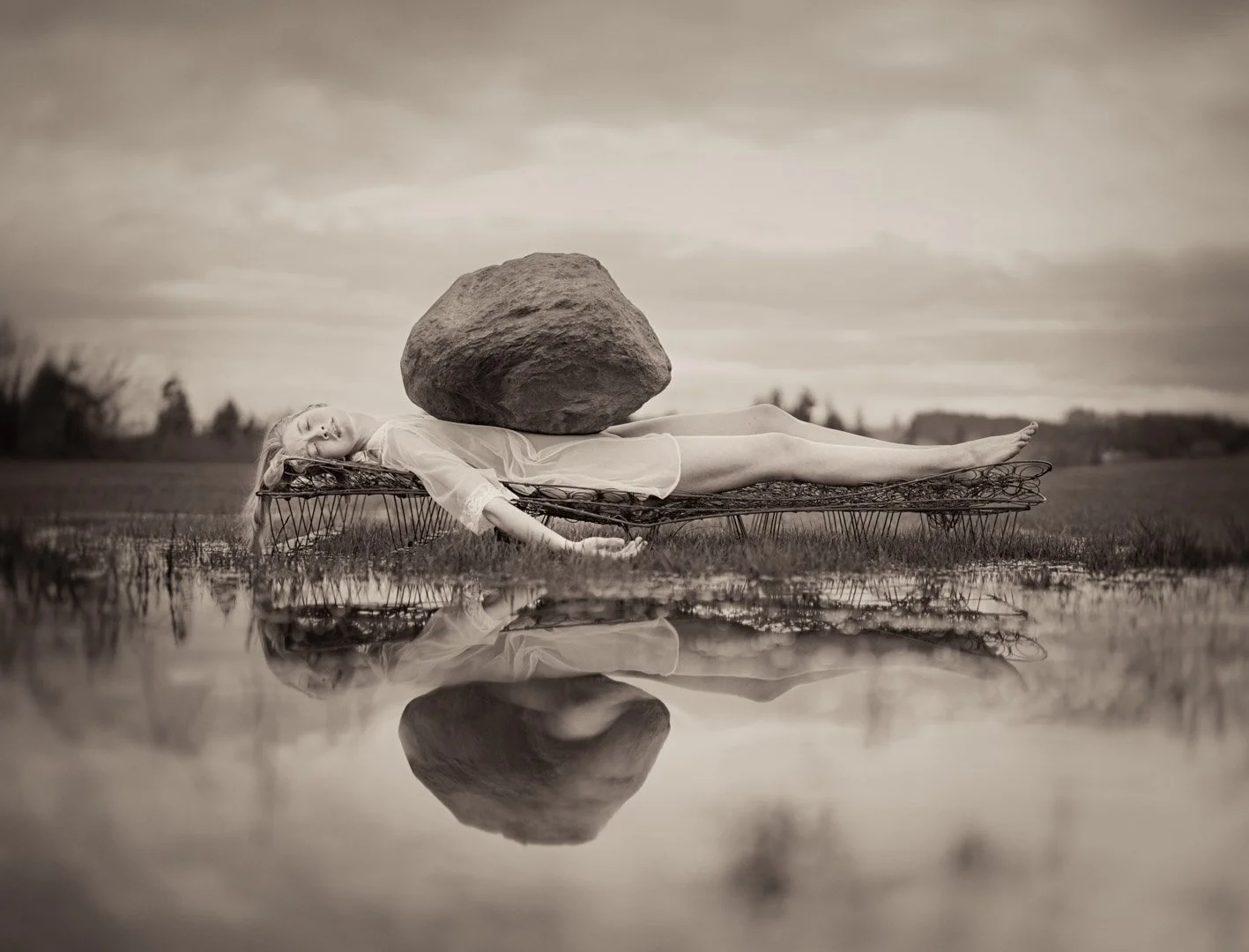
The Weight of Illness
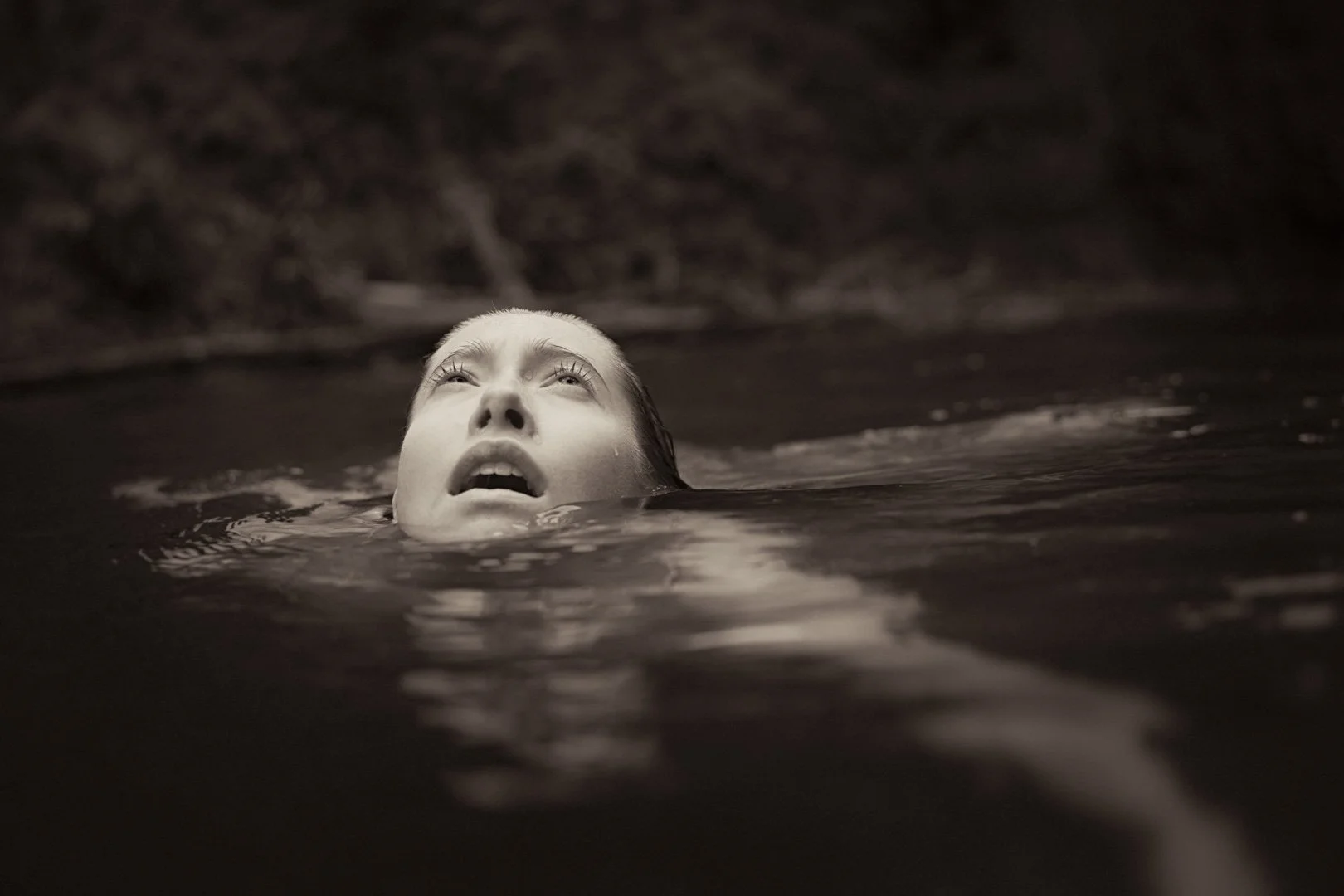
Head Above Water
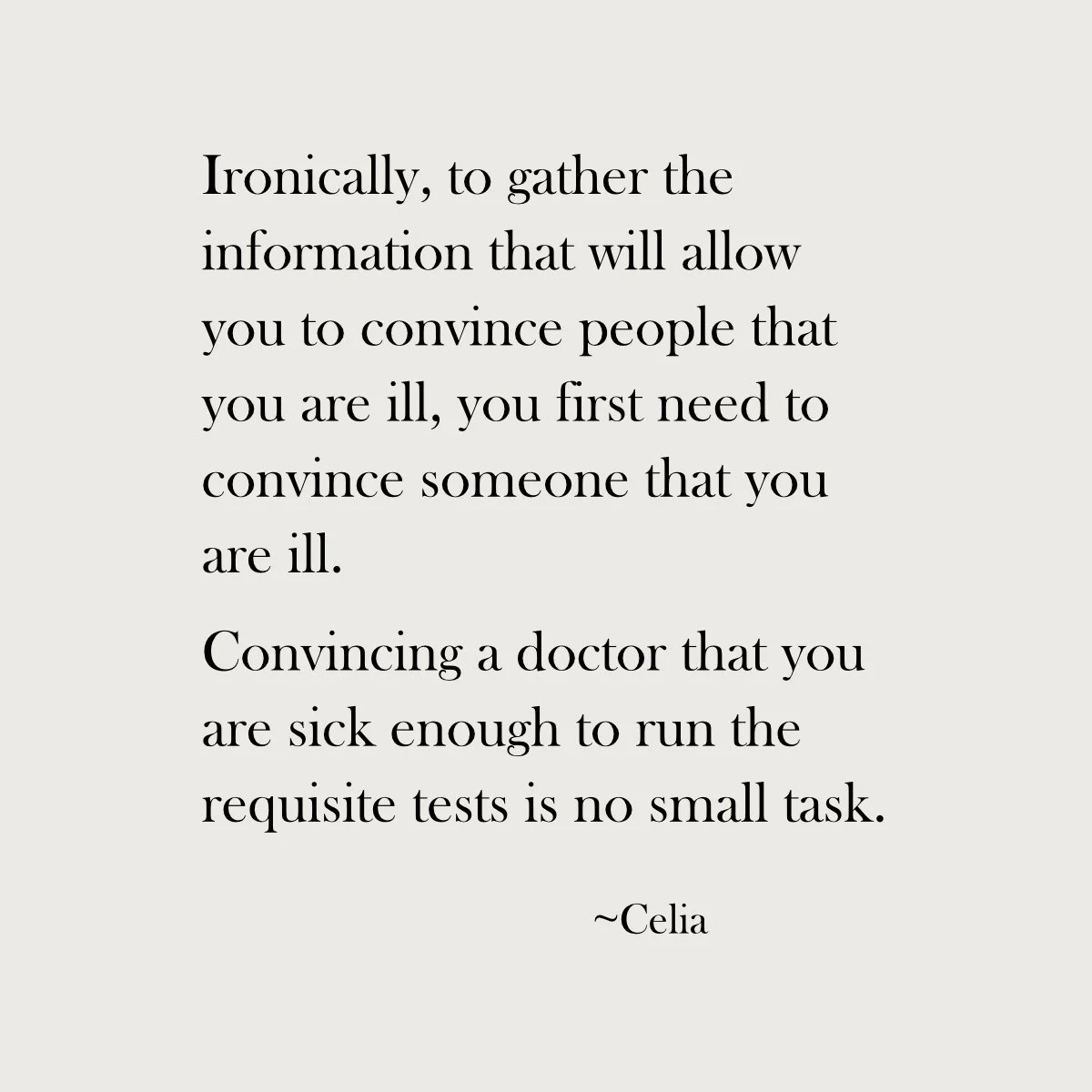
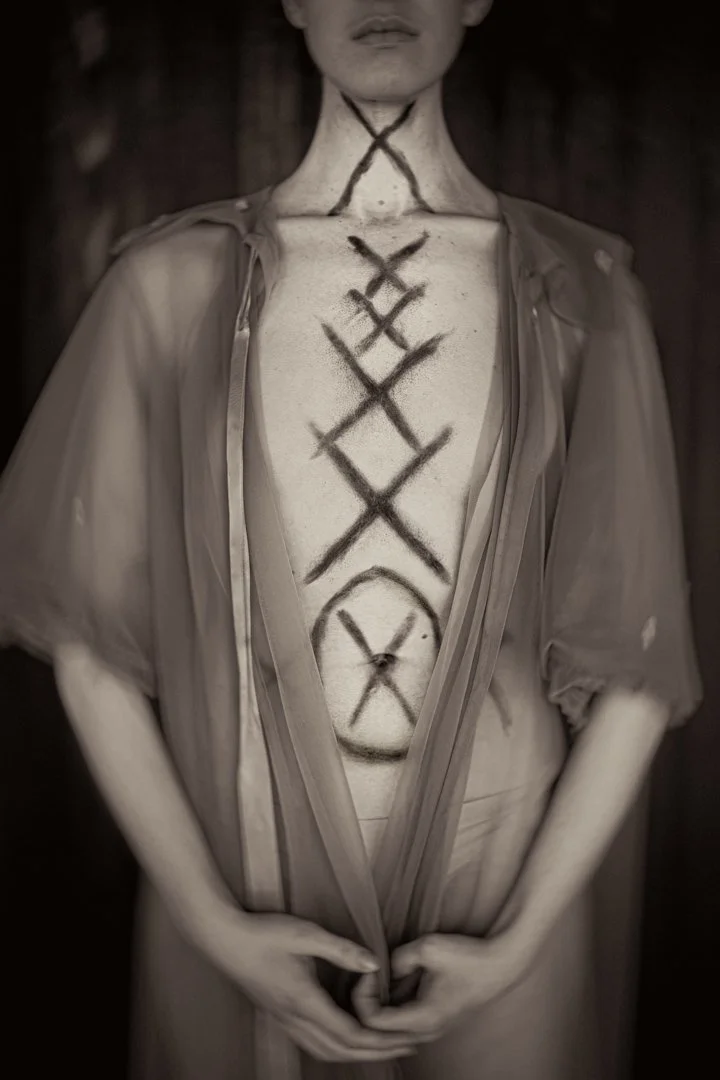
Intake Form
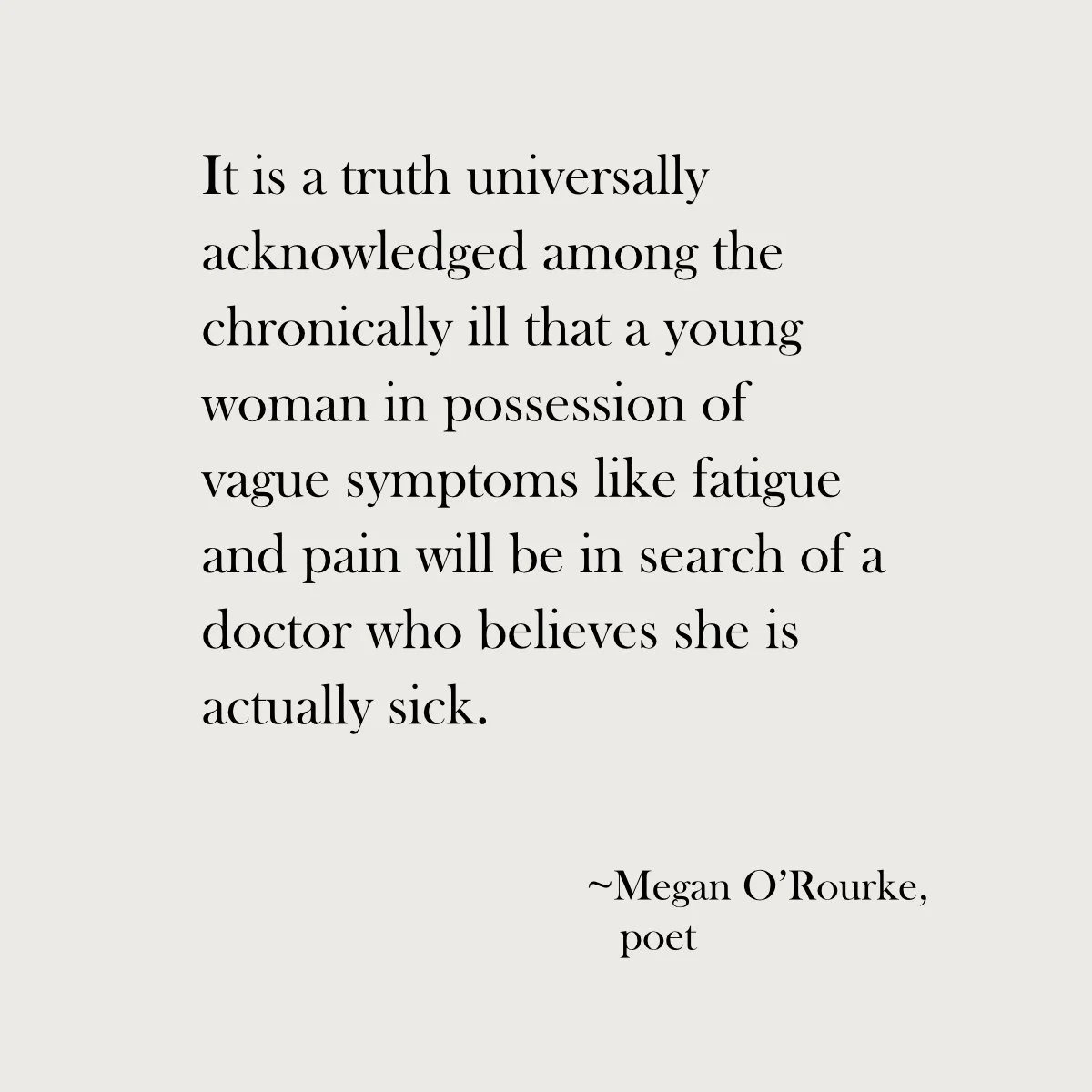
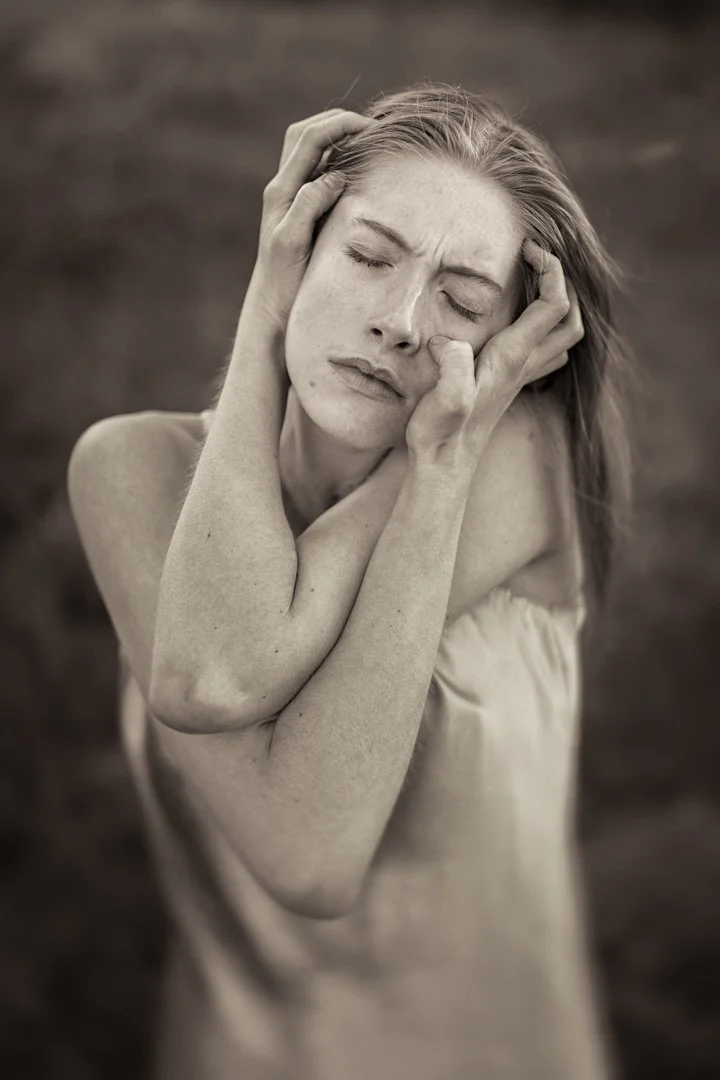
Wrestling with Flesh

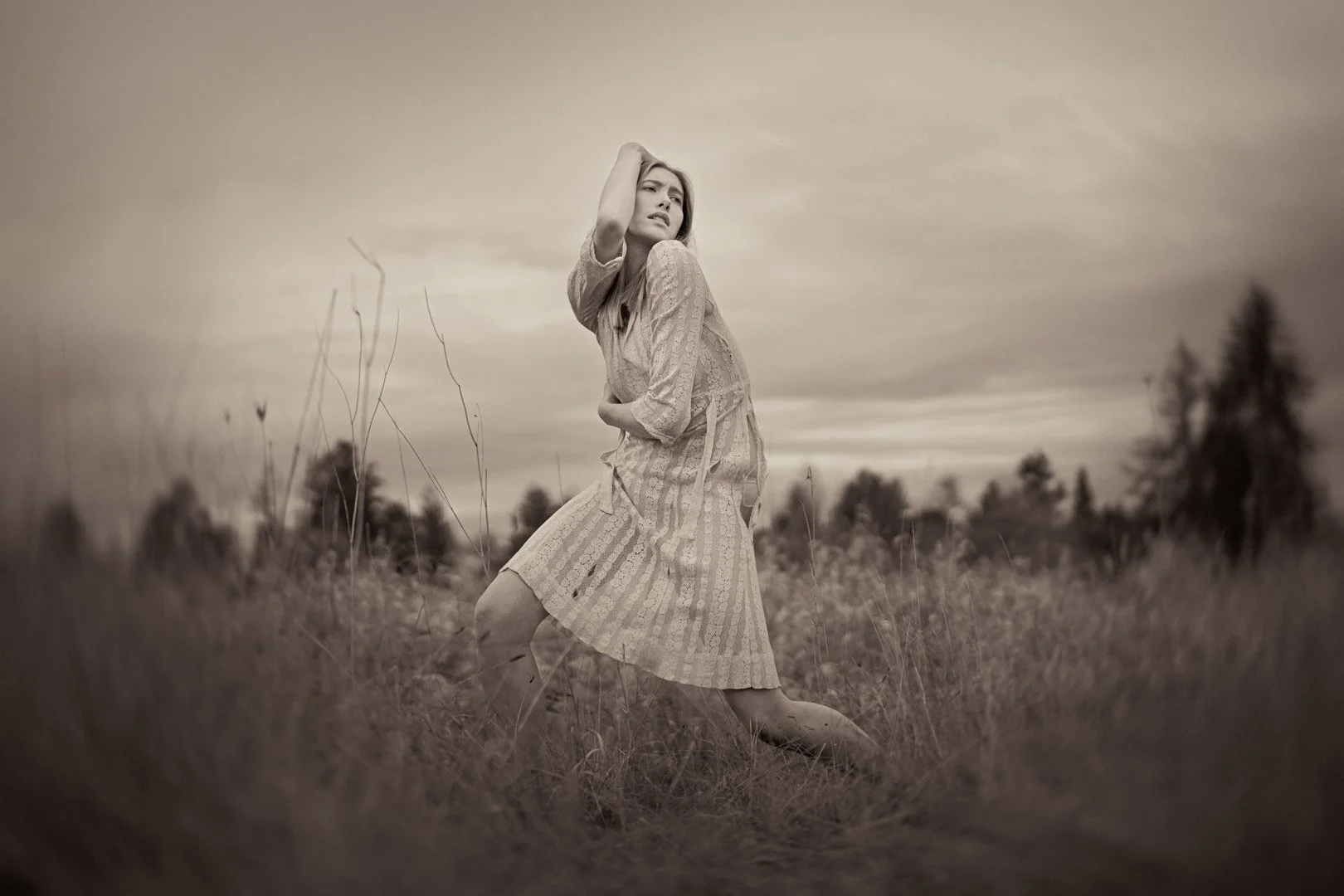
Anguish
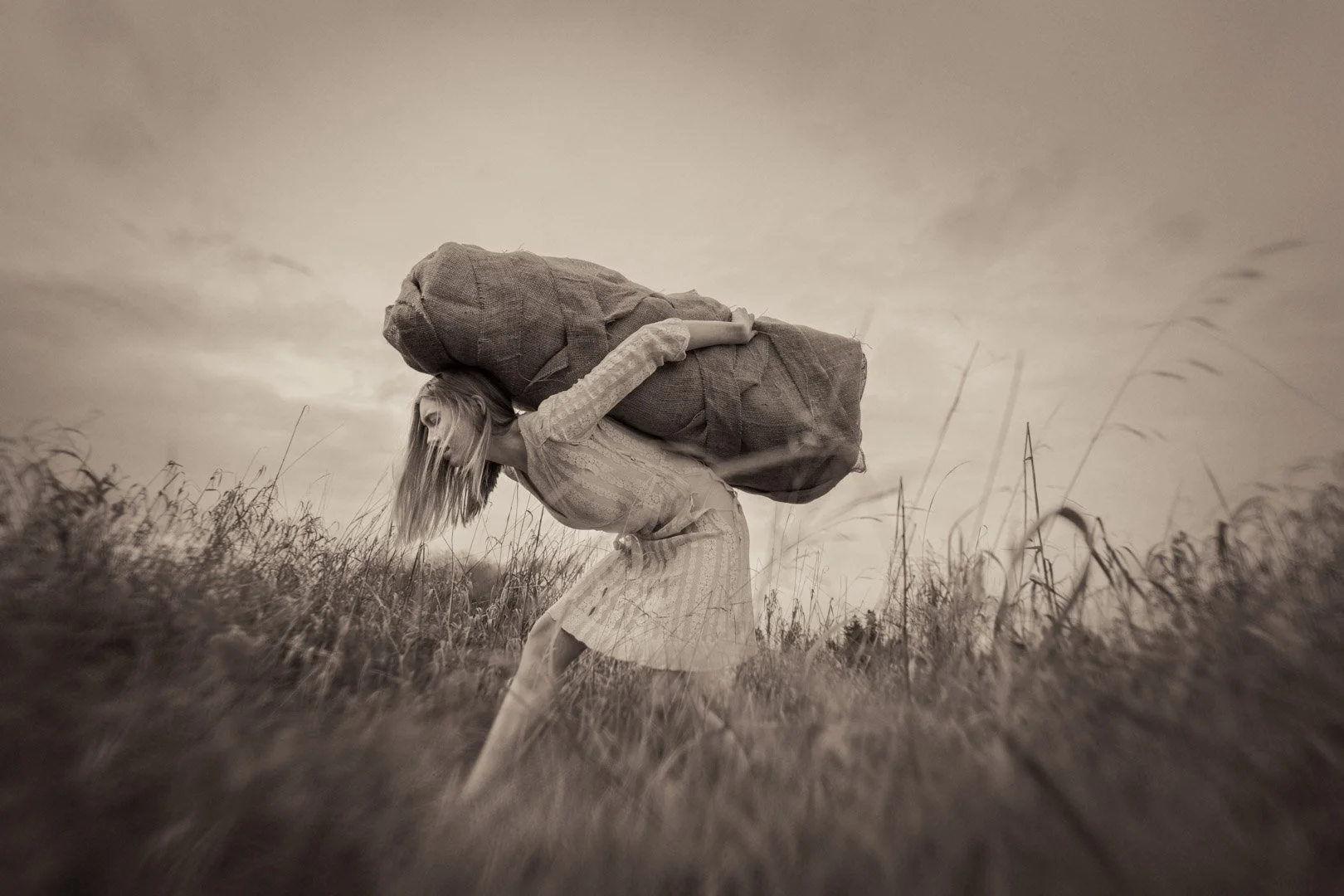
Burden Basket
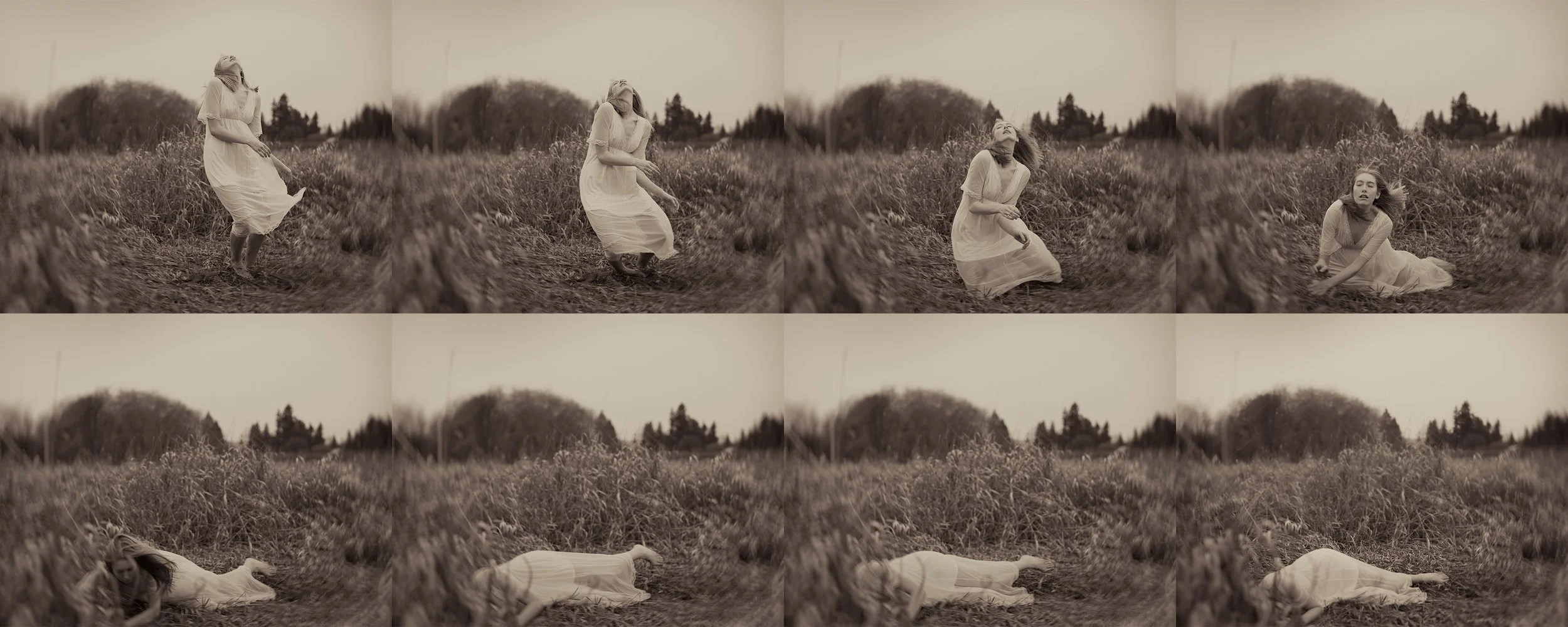
Collapsing
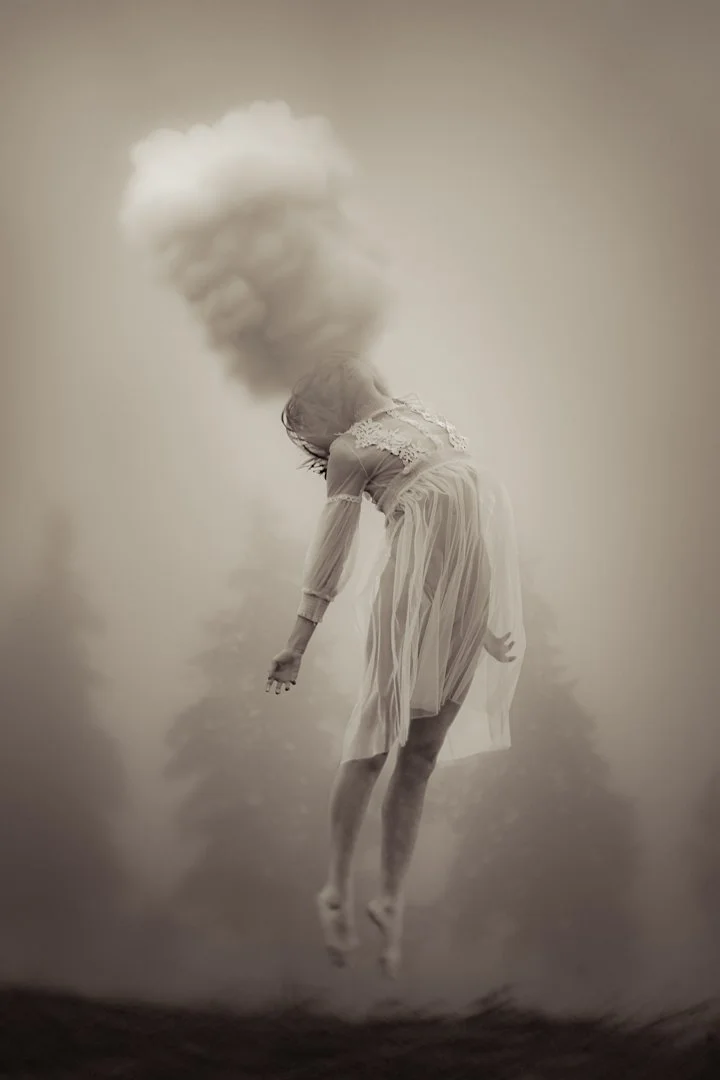
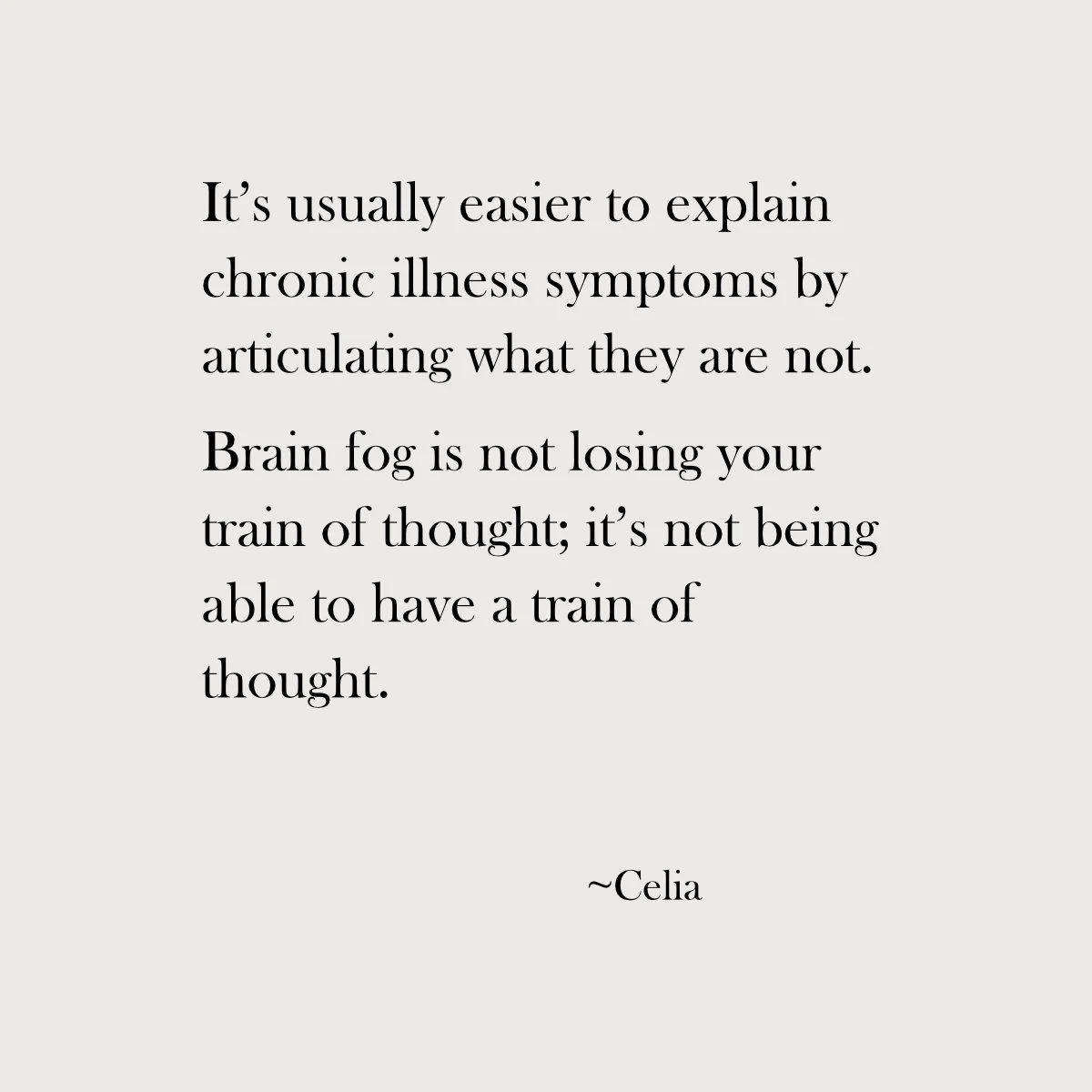
Brain Fog
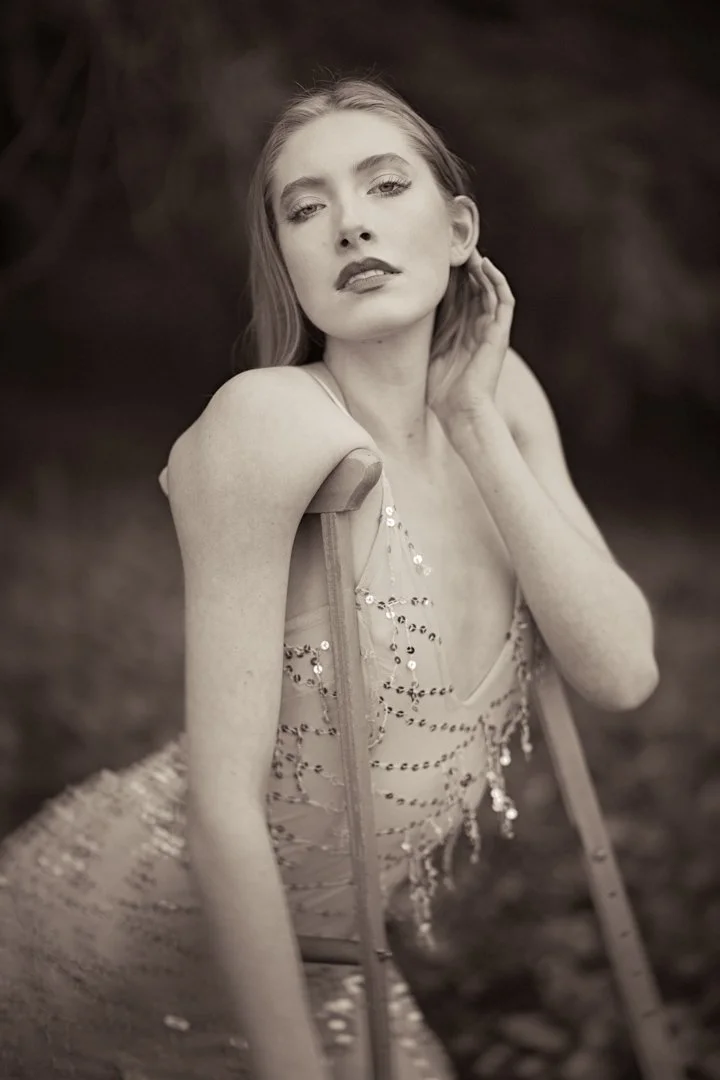
Beautiful but Broken
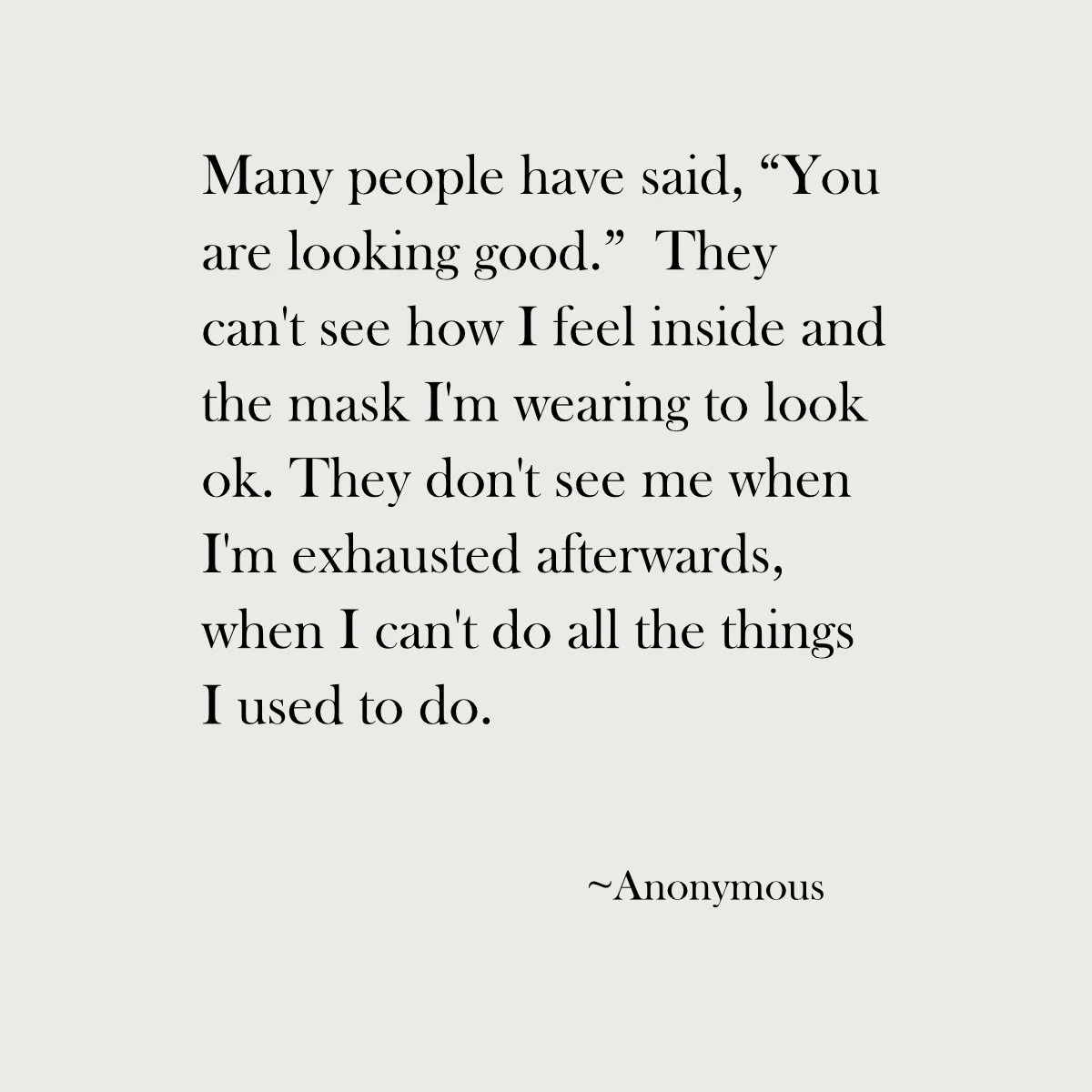
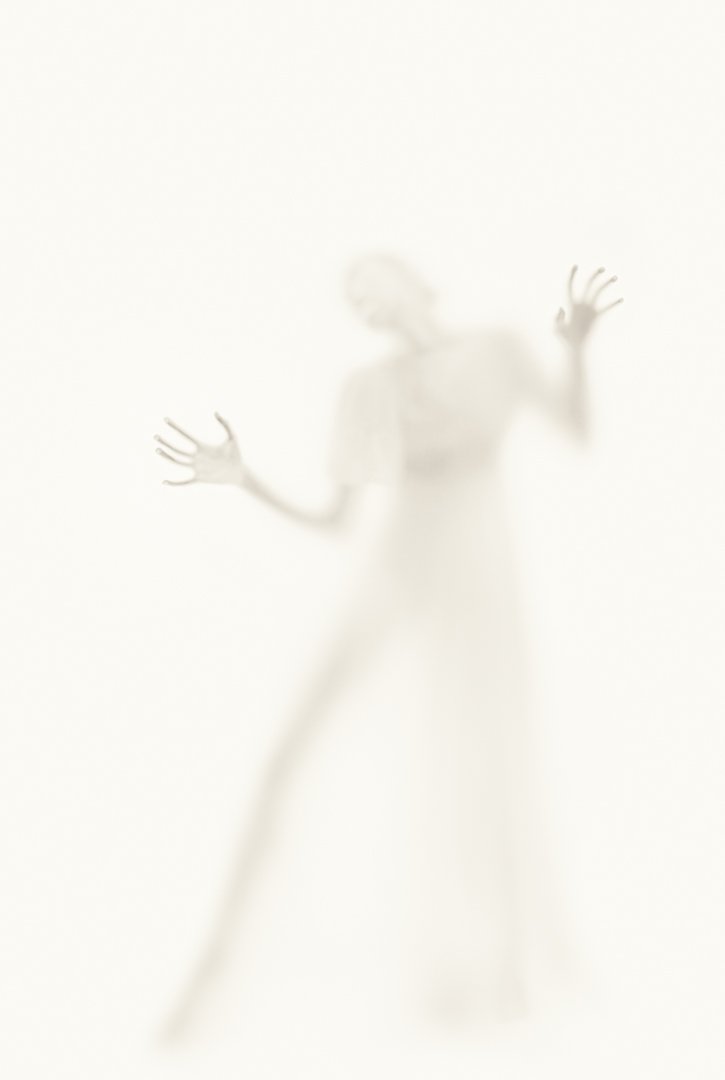
Disappearing
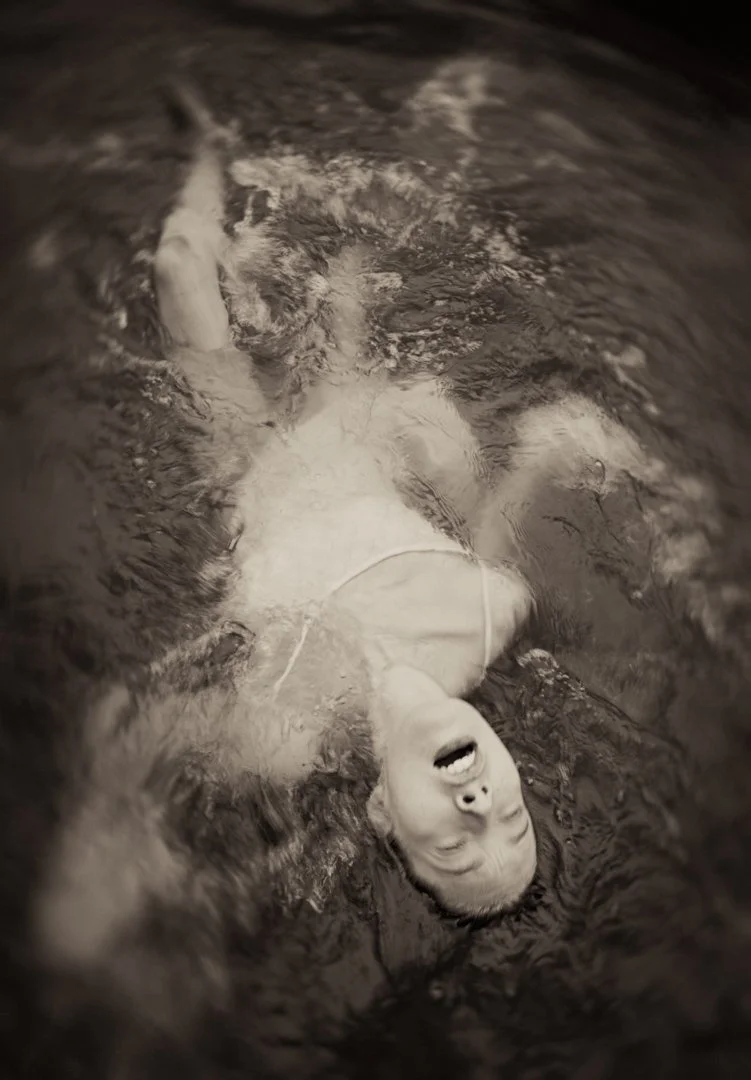
Panic Attack
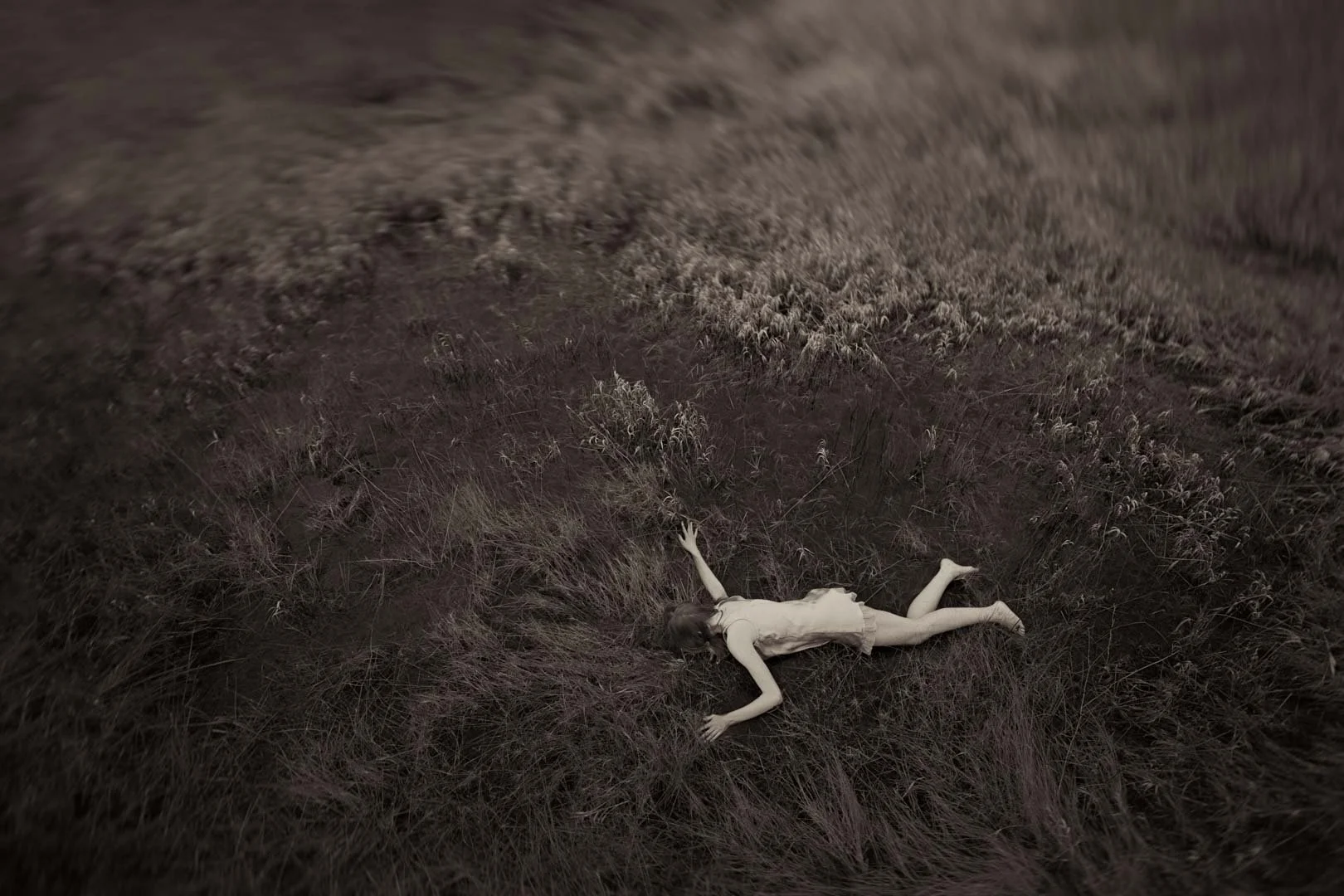
Entropy
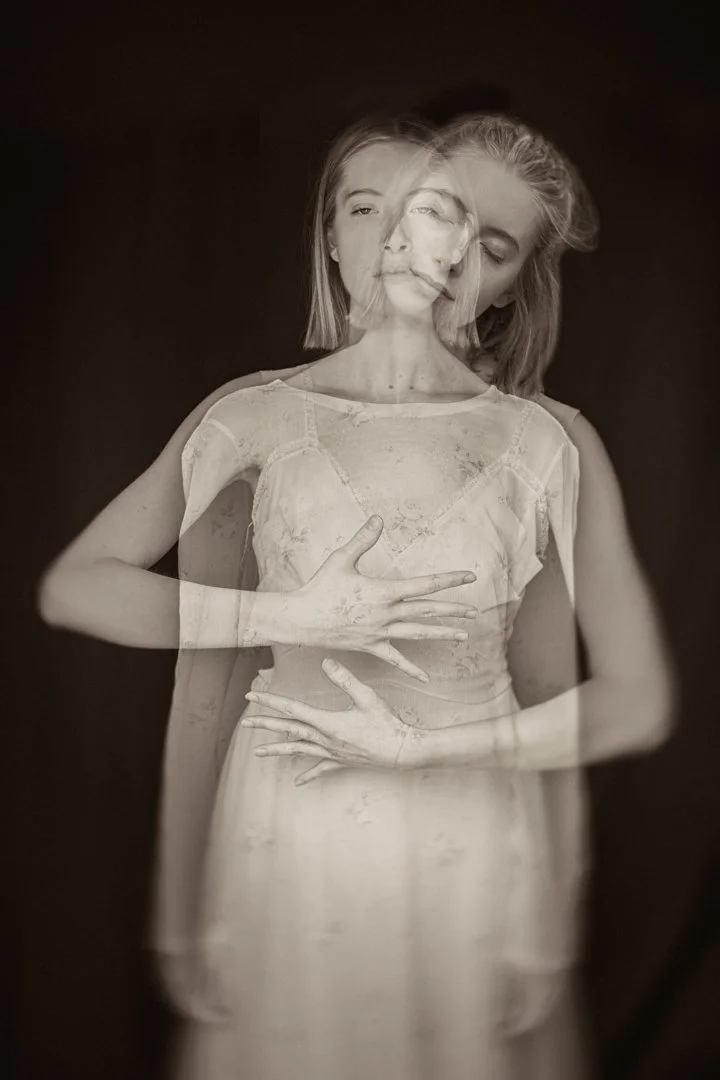
Love Yourself
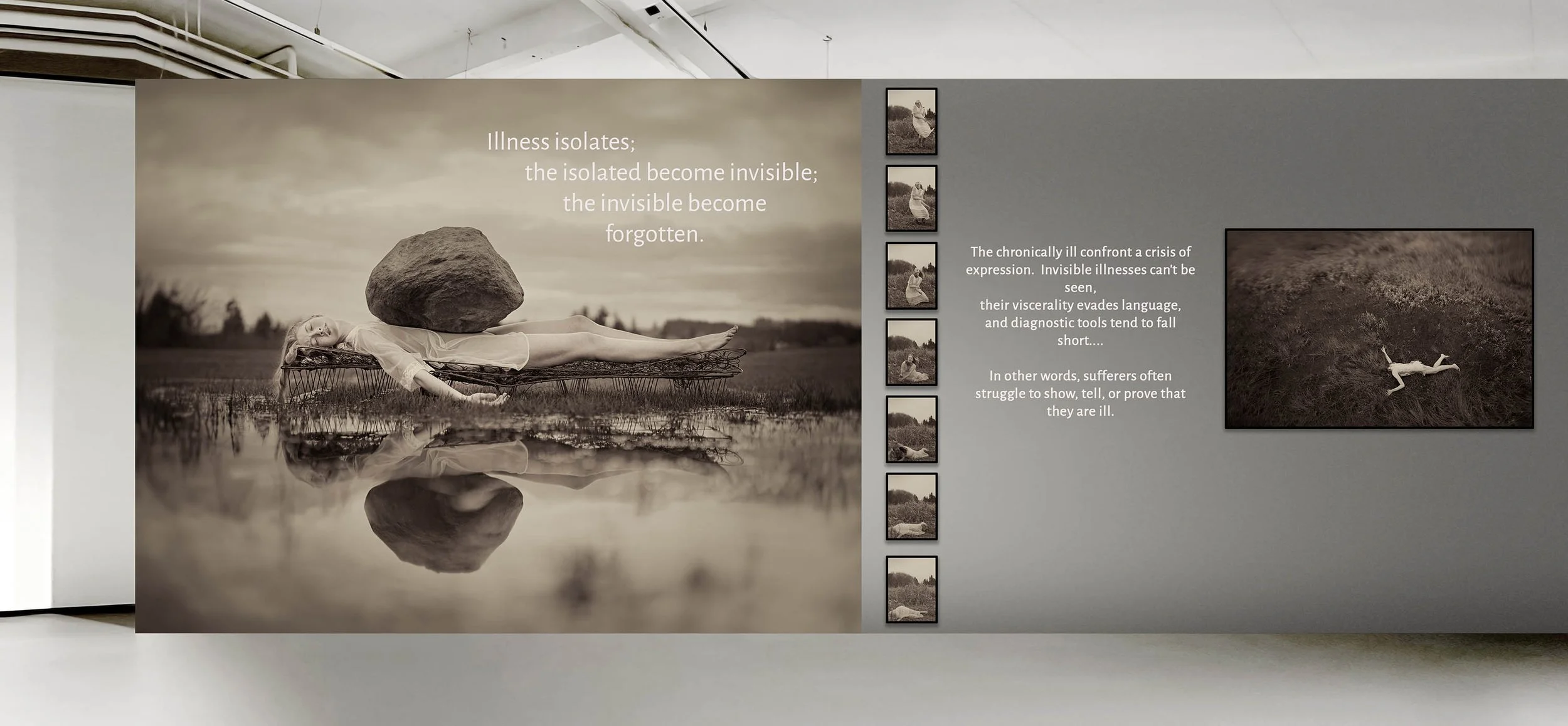
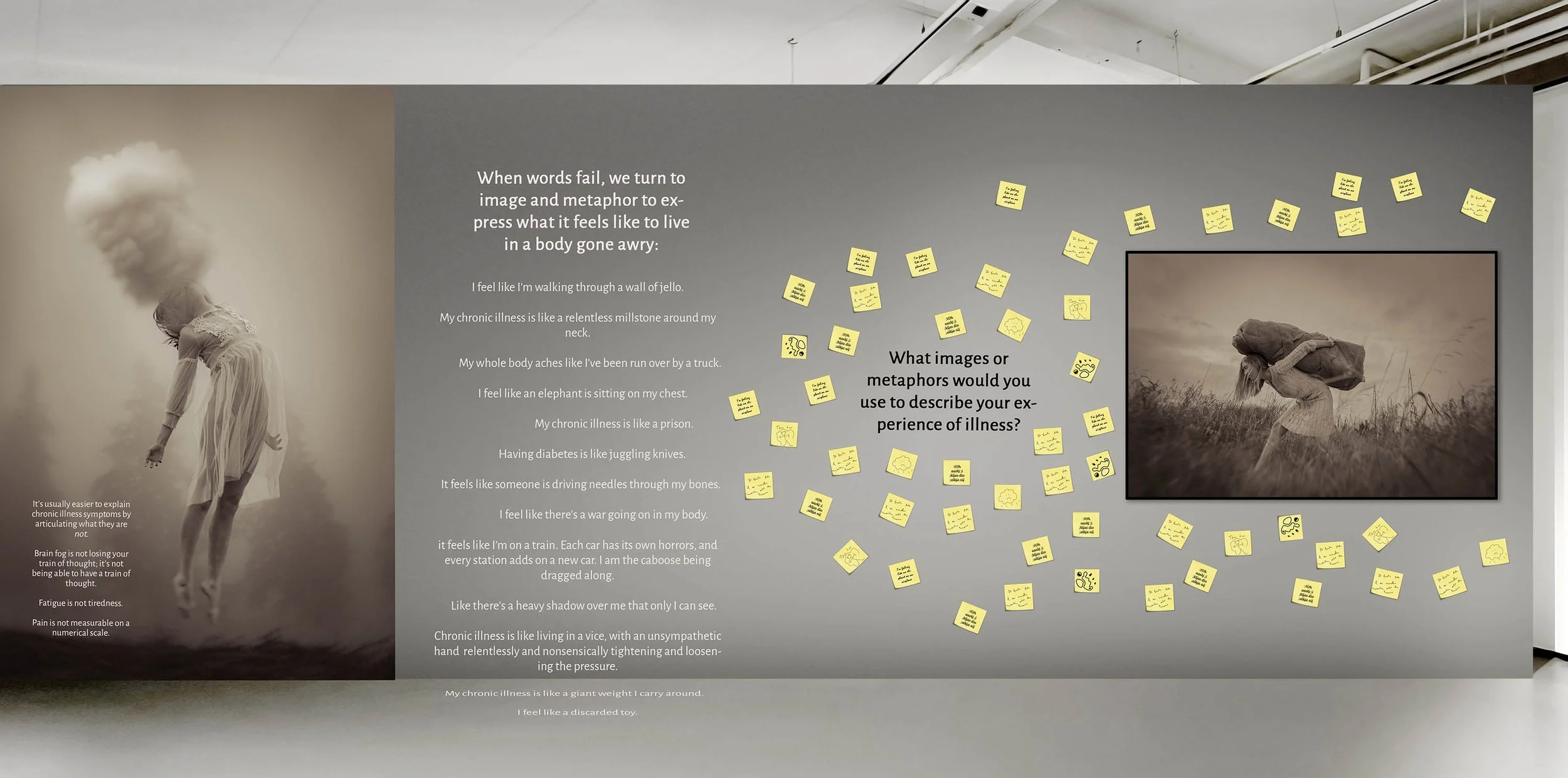
This project is designed for publication, and also as an installation. An exhibition includes photographs of various sizes and groupings, texts, video, and an interactive component. Visitors will encounter personal stories and quotes, and be invited to share their own. These collected writings will hang alongside the images, creating a communal tapestry of lived experience.
This installation is meant to educate and to validate – to give voice and form to stories too often hidden in silence.
These mockps are a sample of possible installation configurations; each installation will be uniquely adapted to its exhibition space, potentially incorporating photographs, text, hanging fabric prints, video, and interactive elements.